Showing posts with label drake. Show all posts

03 November 2013

Review Round-Up: October 2013

Cass McCombs
Big Wheel and Others


Two years ago, Cass McCombs gave us two distinct, intriguing but oddly opaque albums; each a mere eight songs long.  At twenty-two tracks and eighty-five minutes, Big Wheel and Others (note the typically coy titular understatement) feels like a deliberate reaction against those records' mincing concision, although, as double-sets go, it's loose but hardly ragged.  Neither a conceptual epic nor a sprawling White Album-style smorgasbord, but a genial stretching-out a la Exile and Blonde on Blonde; an album to put on and just live in for a while.  Stylistically, it's somewhere in that ballpark as well; a rootsy ramble from the truckdrivin' title track's musclebound motorik to the dusty folk surrealism of "Unearthed," via pretty pedal-steel ballads, slinky beatnik blues, and jazzy yacht-country instrumentals – all gorgeously performed – plus three slightly bewildering interview clips (taken from the 1969 documentary Sean) with a four-year-old who probably could've penned off-color nursery-rock goof-off "Satan is My Toy."  Throughout, McCombs hits a brilliantly unpredictable songwriting stride, like a wry, wandering Silver Jew, peppering his romantic and socio-political ruminations with twisted neo-hippie logic ("I believe in littering: waste should not be hidden but seen") and tersely quirky quips ("what's it like to shit in space?") [8/10]

Kwes.
ilp


Now here's what I call a kaleidoscope dream.  Like a bookish limey Miguel with zero of the bravado and a flair for woozy, Floydian whirr, Kwes is a man of modest but nostalgia-rich pleasures.  The first vocal appearance on his long-simmering Warp debut (which comes ninety seconds in, once the sound-dust settles from the album's startlingly queasy initial eruption) finds the low-key Londoner listlessly "walkin' in the park, chuckin' bread to swans, hearin' em honk."  Soon he's picking berries while fending off butterflies; later he's reminiscing about a lover who once invited him rollerblading ("back in '93"), and someone else who suggested riding a cable car ("today," though the time difference feels somehow negligible.)  Words are feeble, fleeting things on ilp, but these at least offer some tangible, redolent images amid the album's hazy, paisley swirl.  Likewise, despite the occasional gummy refrain – like the burbling stutter-soul of previously aired highlight "b_shf_l" – Kwes' pop instincts typically prove incidental to his synaesthete's bent for structureless head-trip meanderings.  But it's hard to mind once they've gotten you in the door: rarely does one stumble into a world so richly realized and so warmly, curiously inviting. [7.5/10]

Schneider TM
Guitar Sounds


Dirk Dresselhaus is a man of surprises.  He slyly prefigured the micro-house boom with his 1998 Schneider TM debut LP, Moist, before shifting gears entirely to the (similarly prescient) Beach Boys-infused lap-pop of 2002's Zoomer.  Last year's Construction Sounds returned to the alias for an unprecedentedly abstract and experimental effort incorporating field recordings from building sites.  And while it bears substantial common ground with that work, Guitar Sounds essentially finds the Berliner broaching yet another new genre: per the title, it's a set of guitar-based electro-acoustic improvisation (or as he'd have it, "instant composition.")  It's a far cry from the playful humorousness of his early days (unless, arguably, you squint at just the right moments – say, the gently sputtering "explosions" toward the end of "Landslide.")  But his curiously organic approach to electronica and close attention to sonic detail remain, somewhere, among these meandering drones and tones, grindings and scrapings (and brief, occasional bouts – as on "First of May" – of actual guitar playing), which are warmly enveloping in many stretches and, even at their least palatable, still rather pleasantly unpleasant. [6/10]
originally published in Magnet Magazine

Dirtbombs
Ooey Gooey Chewey Ka-Blooey!
[Rock/Pop]


It's not every garage-punk band that follows up their Detroit techno covers record with an exuberant, party-starting homage to vintage bubblegum.  Okay, The Dirtbombs are probably the only one – but they're also the best.  Not just any ol' '60s pop re-hash, Ooey Gooey Chewy Ka-Blooey (In The Red) stomps and shimmies, sugar-shocks and sha-la-las like the Archies gone pleasantly feral.  While these ten three-minute wonders are technically all Mick Collins originals, he's not above bolstering the project's authenticity by lifting a lick (or an entire vocal melody) from the classics: "Mony Mony," "Yummy Yummy Yummy," even "Good Vibrations."  Remember kids, only the greats steal.

Haim
Days Are Gone
[Pop/Rock]


Notwithstanding the Haim sisters' long-haired, shade-sporting LA rockstar image, their duly touted instrumental chops, legitimately ass-kicking live show and ample use of twitchy, palm-muted guitar licks, the songs on their long-awaited debut LP are no less technologically-abetted studio creations than those of that other red-hot hype-riding trio of the moment, Chvrches – though neither are they any less perfectly-formed pop.  And despite the Fleetwood Mac RIYLs that have been persistently trailing them, Days Are Gone (Columbia) lands a good deal closer to Thriller than Rumours.  Just remember which one of those had Van Halen on it.

Devon Sproule + Mike O'Neill
Colours
[Singer-Songwriter]


Devon Sproule and Mike O'Neill met singing Beach Boys duets on Youtube – like you do in the twenty-teens – and crafted the collaborative Colours (Tin Angel) long-distance, between Austin and Halifax.  But there's nothing new-fangled or logistically strained about the topics traversed here – family life, human goodness, ceiling fans, a minor boating accident, love – nor the album's unhurried, loosely jazzy folk-pop.  All of this reflects Sproule's usual open-hearted, modestly idiosyncratic milieu, which O'Neill slots neatly and effortlessly into.  His voice is high and pure like hers, and the results, colored by Sandro Perri's sympathetic, synth- and horn-flecked production, are rarely dazzling but consistently comforting.  The Wilsons should be proud.

Glasser
Interiors
[Electronic/Art-Pop]


Cameron Mesirow's gonna have a tough time shaking those chronic, facile-seeming Björk comparisons with her second LP as Glasser, and not just because of certain heavily reminiscent contours in the soaring, otherworldly acrobatics of her voice (which, to be fair, shares at least as much with the sweet, artful detachment of St. Vincent's Annie Clark.)  Even while Interiors (True Panther) remains undeniably Mesirovian, its architecturally inspired yet organically fluid techno-pop shapes evoke the exploratory, hypercolor digitalia of Homogenic more than anything Björk herself has touched in well over a decade.

VV Brown
Samson & Delilah
[Electronic/Pop]


VV Brown emerged in 2009 as a perky, playful retro-pop songbird, but we've barely heard from her since, as the intended follow-up to her delightful debut was first delayed, then permanently shelved for artistic reasons.  Her actual sophomore release may offer some explanations: Samson and Delilah (YOY) represents an almost complete aesthetic overhaul; a dramatic left turn into gothic, quasi-operatic electronica that's as magnificent as it is unexpected.  Brown's voice, all but unrecognizable, weaves across frosty industrial synthscapes, deep distorted machine grooves and imaginative, darkly glistening dance-pop, compensating for its somewhat diminished personality through sheer emotive potency.

Machinedrum
Vapor City
[Electronic]


Much as Machinedrum's 2011 breakthrough, Room(s), refitted and streamlined the frantic antics of Chicago footwork, Vapor City (Ninja Tune) appropriates the floor-friendly architecture of drum'n'bass and skittering digital dancehall for much more shadowy, diffuse, wistfully atmospheric purposes, loading on the sonic detail – sleepy/spectral vocal fragments, brooding synth pads, infinitely divisible rhythmic tracery – to render a meticulously misty, greyscale urban moodscape.  (The title scans as flatly, almost blandly descriptive.)  Barring passable detours into chillwave, dappled Boards of Canada-isms and abstract ambient fuzz, the results tend toward theoretically danceable tracks which in practice are more ideally suited for deep, sullen vibing.

Trentemøller
Lost
[Electronic/Eclectic]


Unerringly proficient, if increasingly inscrutable, Anders Trentemøller continues to distance himself from the coffee-table tech-house and elegantly tailored club fare on which he made his name.  The Danish producer's third full-length, Lost (In My Room), is split evenly between instrumental curios – everything from noir-ish mood pieces to sludgy psych-rock to the occasional, dazzling display of programmed-synth kineticism – and mild, suggestible vocal features for assorted indie rock notables (members of The Drums, Blonde Redhead, Lower Dens, etc.)  It's an amiable mess strewn with captivating moments – plus, kicking things off with seven heavenly minutes of Low's unimpeachable Mimi Parker is gonna win you plenty of points around these parts.

Diplo
Revolution EP
[Dance/Electronic]

Once upon a time, Diplo made an album.  It was 2004, and it was a pleasantly low-key, trip-hoppy affair entitled Florida.  Since then he's hardly even sat still long enough for anything so laidback or long-format – these days he keeps a feverish, turbo-boosted pace of 140-character blasts, 130 BPM, and (per Forbes' 2013 highest paid DJs list) a cool $13 million per annum.  We'll still claim him as a de facto local, but his jet-set lifestyle and restless, rootless musical m.o. are about pan-global as it gets.


Last year's Express Yourself EP was a rare dispatch from the hedonistic heart of that one-man whirlwind – his first (ostensibly) solo production jaunt in eons – offering a typically delirious but uncommonly focused burst of twitchy, ass-twirling equatorial ghetto-tech.  Hard at its heels comes Revolution (Mad Decent), re-upping with another six cuts (four originals, two workmanlike remixes) of gregarious gutter-funk abandon.  These 23 minutes are more hyper-stuffed than ever, flaunting two to four collaborators per track and cramming in buckets of stutter-step machine claps, bass-rattling horn blurts, twinkly rave synths, tacky pop'n'B diva warbling, EDM screw'n'grind and a slew of quick and dirty rap verses from the game's finest young turks.  And if you can keep pace with all that, there's another drop coming any second now.
Drake
[Hip-Hop/R&B]
concert preview


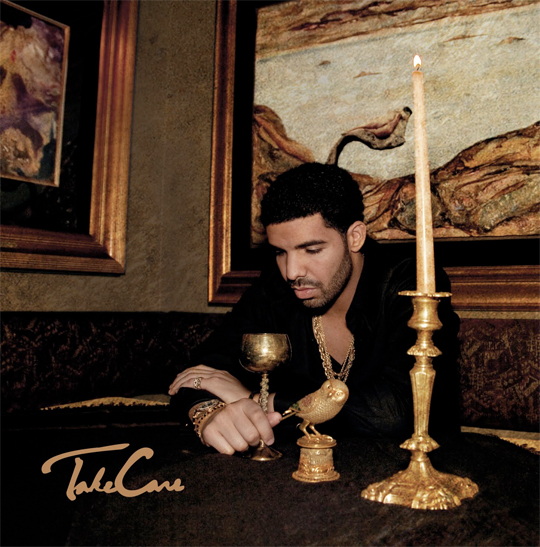
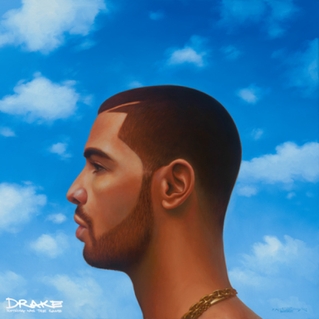
For what was effectively a coronation pageant, 2011's Take Care hardly felt like a joyous occasion; compared to Nothing Was The Same (Cash Money/Universal Republic), though, it's practically a party record.  "I'm on my worst behaviour," Drake snarls – Canadian spelling, of course – over ominous, disjointed rattles and synth throbs, and he's not kidding: he's rarely sounded as crass, petty and angrily, needlessly defensive as he is at certain points on his third full-length.  As for his persistent emotional ineptitude (and crippling nostalgia for past romantic failures), well, that's been covered before, and it remains as perversely compelling if increasingly tough to sympathize with.  Mostly though, he's just awfully, inexcusably morose.  Noah "40" Shebib keeps on building him these sumptuous luxury suites – weird, staggering, adventurously modern moodscapes – and all he wants to do is mope around in them.  But he's still got that nagging, hard-to-define charisma; a knack for absorbingly intimate confessionals, even if it clearly stems from some serious boundary issues.  Also, it must be said that to see Drake in concert is to witness Aubrey Graham in his element: he really is a born performer, and if we ever finally get sick of listening to his elegantly-appointed sulking, he can totally fall back on that acting career.

Deltron 3030
[Hip-Hop]
concert preview

It's been 13 years since the release of Deltron 3030, the sci-fi comic-book hip-hop concept opus which paved the way for the improbable sci-fi comic-book hip-hop crossover success of Gorillaz (involving many of the same key players) – although apparently only ten have passed in the album's peskily dystopian, technocratic futureworld: according to Joseph Gordon-Levitt's ponderous spoken intro to Event II (Deltron Partners), it is now "Stardate 3040."  But – despite the efforts of our trusty hero, renegade rap-battle freedom-fighter/disenchanted "mech soldier" Deltron Zero (alias Del the Funkee Homosapien) – not much has changed.  Narrative specificity and conceptual coherence still take a definite backseat to the generally bad-ass, swashbuckling atmosphere created by Del's twisty, jargon-flourishing raps, turntablist Kid Koala's skittering scratches and producer Dan the Automator's lavish, widescreen sample-sourcing and adrenalized breakbeats.  While it's almost certainly better than we had a right to hope, this guest-star-studded sequel is probably best taken as an overdue victory lap; a gleeful exercise in warp-drive retro-futurist nostalgia.  But even if it's no more than an excuse for the triumphant triumvirate to head out on tour, with a sixteen piece orchestra in tow no less – and if Kid Koala's deliriously fun Vinyl Vaudeville shows from last year are anything to judge by – justice will be served right here in the present.

Bill Callahan/Lonnie Holley
[Singer-Songwriter]
concert preview

Through his dozen or so albums as Smog and, especially, the handful he's made more recently under his own name, Bill Callahan has etched out a reliable, dependably unhurried furrow for his quietly affecting musings.  But it's rarely felt as cozy as his latest, Dream River (Drag City), which settles into a loose, surprising seventies soul-jazz vibe: Callahan's laconic, iconic baritone drifting overtop congas, claves and electric piano like Leonard Cohen moonlighting with Gil Scott-Heron's band; his roving ruminations sharing space with fragrant flute and fiddle leads and guitarist Matt Kinsey's subtle atmospheric heroics.  The title befits Callahan's typically cryptic, trancelike stream of cast-off observations, cock-eyed profundities, corny jokes and come-ons, which circle here around familiar themes but with a cautiously more sanguine outlook, finding mundane beauty and savage splendor in the natural world and solace in the smallness of human relationships.  Lonnie Holley – an Alabama-born African-American artist who has, arguably, actually lived the kind of outsider's perspective Callahan often adopts in his songs – arrives at a similarly thoughtful optimism amidst markedly stranger circumstances in the surreal pronouncements on Keeping A Record Of It (Dust-to-Digital), with a decidedly more dynamic, colorfully expressive voice and to considerably chintzier musical accompaniment.

John Vanderslice
[Indie/Singer-Songwriter]
concert preview


John Vanderslice is one of indie's surest bets; a steadfast, sure-footed songwriter who's never made a bad record, even if he's never turned out a clear masterpiece.  (I'd probably point to 2005's Pixel Revolt as his finest hour, but each entry in his discography has its partisans.)  All of his albums seem to create and inhabit their own private, often insular worlds, but Dagger Beach, his ninth full length, feels especially personal; less for its songs than its archetypical array of warm, gritty textures – overdriven acoustic guitars, woody synths, brightly chunky drums, free-floating analog dribbles of uncertain origin.  A crowd-funded, self-released project following a stint on Dead Oceans, it was recorded – computer-free – at his own Tiny Telephone studios, and particularly knowing that it came in the wake of a significant break-up, it's easy to imagine JV sitting alone at his Neve console, finding solace and focus in meticulously building up layers of atmospheric sonics.  As much of a studio rat as he is, though, the quintessential way to encounter Vanderslice is in person at his shows, where he flashes a legendary chatty affability at odds with his understated, often elusive songwriting.

Franz Ferdinand/Frankie Rose
[Rock/Pop]
concert preview


Franz Ferdinand have always been as much a dance band as a rock band, coaxing the sharp, jagged lurch of post-punk into the plumped basslines and signature crisp, feline strut that fueled both the deathless "Take Me Out" and an impressive string of worthy successors.  While the seedy nightclub trawl of 2009's Tonight was their most overt, mildly experimental dalliance with "proper" dance music, morality-teasing fourth album/reset button Right Thoughts Right Words Right Action (Domino) drafts in some of the finest minds in electro/pop – Hot Chip's Joe Goddard and Alexis Taylor; Scandinavian sooperproducers Todd Terje and Björn Yttling – yet results in the band sounding utterly like their own waggish, swooningly metrosexual selves.  It's their tightest, leanest effort since their debut, and it's great to have them back.  In the support slot is Brooklyn linchpin Frankie Rose, whose latest opus, Herein Wild (Fat Possum), weds the glorious layered-vocal luminosity and Cure-cribbing beat-beds of last year's great, quantum-leaping Interstellar to the spunkier garage-pop grit of her debut, and throws in the occasional string section.

The Dismemberment Plan
[Rock/Pop]
concert preview


The Dismemberment Plan were one of the most fiercely beloved bands around before their 2003 break-up, so it's understandable that there are a lot of feelings surrounding their recent return to the active column – a brief, triumphant tour in 2011, and now the curiously misspelled Uncanney Valley (Partisan), their first album since 2001's masterful Change.  A lot of excitement and eager anticipation, but also a lot of wariness and skepticism, especially surrounding the record – protectiveness, perhaps, toward the band's cherished memory and established catalog.  Well: the new disc doesn't sound much like, say, 1999's timeless Emergency & I.  But then again, neither did any of their other records.  They've always been a band in motion, and they return now evolved once more – as righteous emo diehards will be miffed to discover – into a looser, goofier, less existentially pensive and altogether more jovial (and synthesizer-happy) iteration of themselves.  But there's no mistaking Joe Easley and Eric Axelson's sparky, jittery math-funk grooves, nor Travis Morrison's densely geeky, reference-strewn lyrics; smirky and earnest in equal measure.  From the gorgeously whirring workaday introspection of "Invisible" to the sweetly unabashed affection of "Lookin'" to propulsive party starters like "White Collar White Trash," the band has never sounded so contented or so celebratory.  Truly, what's not to celebrate?

Saint Rich/Wild Belle
[Rock/Pop/Reggae]
concert preview

If post-rockers could talk, what would they say?  Here's your chance to find out: Monday's double-bill pairs two new song-oriented projects from musicians better known for their instrumental-only affairs.  Steve Marion makes curious, captivating wordless guitar-pop with/as Delicate Steve, but he's switched over to drum duties behind bandmate (and North Jersey high school buddy) Christian Peslak in the recently-minted duo Saint Rich.  Their debut Beyond the Drone (Merge) is a rollicking, rootsy, riff-tastic rip through '60s rock and '70s boogie that feels a bit like Foxygen without all the anxious posturing (and with notably witty lyrics.)  Meanwhile, jazz-steeped saxophonist/experimental tinkerer Elliot Bergman made his name fronting (too-long dormant) avant-afrobeat heroes NOMO, with whom his sister Natalie has occasionally featured as a touring member; now the siblings are slinging globally-conscious indie-pop as Wild Belle.  Their predictably groove-rich, sonically adventurous Isles (Columbia) sets them up as something like a worldbeat She & Him, pulling from African pop and Motown but with a particularly emphasis on Caribbean rhythms which make it well-suited to help pass the time before the reemergence of summertime, and/or Santigold.

Fuzz
[Rock]
concert preview


Ty Segall has made a lot of records – let's just say that's a significant understatement – but he's never made anything quite so epically colossal, and at the same time so lean and laser-focused, as Fuzz (In The Red)  The obliteratingly self-evident self-titled debut from the West Coast scene-leader's latest collaborative venture spotlights the amped-up blooze riffs and brain-scrambling solos of guitarist Charlie "Moonheart" Moothart and the appropriately hefty underpinnings of bassist Roland Cosio.  Segall's still singing lead, but he's jumped from strings to skins here to show off some breezily ferocious, Mitch Mitchell-style dexterity behind the kit.  While this is a new project, these dudes have also been playing and starting bands together since high school, and there's a purity of purpose here that seems to stem from the spirit of those days, channeling fellow San Francisco outfits like the Jimi Hendrix Experience and Blue Cheer.  Accordingly, Fuzz strips away the garage-bound shagginess and punkish snarl that typically characterize these guys' output to focus on heavy, heavily-Sabbath-indebted psychedelic proto-metal that makes this a power trio in the most classical, primal sense.  In other words: just what you'd expect from the awesome, fiery blue elemental space-demon on the cover.

Cayucas
[Indie-Pop/Rock]
concert preview

While obviously not as uncommon as the eponymous shaggy forest-dweller, it's still a rare and precious thing to encounter an indie-pop debut as sharp, succinct and perfectly formed as Bigfoot (Secretly Canadian), which breezes through eight great, unimpeachably summery tunes in just about a half hour.  The Santa Monica outfit, whose name is slightly modified from the beach burb of Cayucos, a little ways up the coast, have caught considerable flak for their nagging similarity to a certain East Coast band likewise beloved of 1950s archetypes, plaid button-downs and lilting, tropical-tinged guitar lines.  But while the Vampire Weekend-in-California call-outs are certainly apt – down to the literary details of their collegiate travelogues and sun-bleached romances, enthusiastic use of onomatopoetic yelps, and Futura-enabled album design – it's hard to see why that's much cause for complaint, especially now that Koenig and crew have moved on to decidedly less simple pleasures, and most especially when head Cayuca Scott Yudin can churn out something as instantly and persistently indelible as the snazzily syncopated "High School Lover," which I'd contend equals or betters anything on the first VW album.

Fuck Buttons
[Electronic]
concert preview

In theory, Pitchfork-annointed electro-noise auteurs Fuck Buttons make a reasonable fit for the Making Time demographic.  But its troubling to contemplate what might actually happen when the assembled party-ready masses at Voyeur encounter the Bristol duo's portentous, magisterial sound barrages.  Probably the best bet is to hope they bust out some of the old stuff: 2009's relatively populist Tarot Sport at least boasted appropriately movement-friendly four-on-the-floor underpinnings on most of its tracks, plus a twinkling, major-key bent to its awe-inducing anthemics that rendered them rapturously uplifting.  (Enough so that they served to score part of last year's Olympic opening ceremony.)  As for the stark, soul-crushing monoliths that make up most of this year's negative-inverse offering Slow Focus (ATP), they seem markedly less well-suited to soundtrack a scene of happy revelry than to accompany the queasy aftermath of rubble and devastation following, say, the invasion of a popular hipster dance night by an army of demonic, emotionless alien cyborgs.  Maybe if you escape to the basement "bear den" the haze of sweat and stoner rock jams will drown out the screams.

Raime
[Electronic]
concert preview


Raime – the British abstract electronic duo of Joe Andrews and Tom Halstead – record for a label called Blackest Ever Black, and it's hard to get around the aptness there: their music is just really damn dark.  The sounds they favored on last year's intoxicatingly potent full-length debut, Quarter Turns Over A Living Line, as well as several preceding EPs, include rumbling cavernous drones, gnawing, unblinking metallic tattoos,  and the occasional, muffled irruption of amorphous sonic violence.  But while it's easy enough to sum up their approach as purely and simply evocative of bleakness and dread, wholly subsumed by gloomy negatives, there's something oddly neutral about it too: a subjective, malleable emptiness.  There are shades within shades here: those creeping industrial heartbeats have a subtle, dubby, Burial-esque lilt that might be sensuous or sinister, depending on your angle.  Those churning streaks of cello could be savage or serene.  One person's gaping, ominous void may be another's womblike sanctuary.  After all, the blackest black is really no different from eternal, blinding sunshine once your eyes have time to adjust.

Holy Ghost!
[Electronic/Dance]
concert preview

Holy Ghost! don't do very much to justify that exclamation mark.  The NYC production duo are more apt to induce sly, slow-building smiles than sudden ecstatic surges; the pleasures to be found in their sleek, shiny updates of 1980s electro-disco are, perhaps unusually for a dancefloor-oriented act, those of comfort, familiarity and expertly executed craftsmanship.  The title of their second album, Dynamics (DFA), suggests a broadened range, and it is indeed a more varied, well-rounded affair than their rather same-sounding debut, but it delivers that breadth via a further smoothing and softening – an occasional uptick in melancholy emotionalism; a generally plusher sound palette (including a string arrangement from the great Kelly Polar) – rather than any great deviation from their standard-issue mid-tempo template.  The exception proving the rule is "Dumb Disco Ideas" – easily their best single to date – an extended, multi-part cowbell'n'clavinet dance-funk jam that solidly cements their DFA bona-fides and probably warrants at least a little punctuation.

originally published in Philadelphia City Paper


06 December 2012

2012 Review Round-Up: June

it's december! here's the plan: as i work my way toward year-end musical festivities (listing! mixing! feasting!), i'm rounding up all (or nearly all) of my writerly output from 2012 with a series of posts, one per day, one for each month, over the next eleven (or twelve?) days. or bust!

voila june, summertime summertime, nothing too huge but various kinds of summer fun (though nb my #1AOTY also came out in june; i have yet to write about it for publication, but it's due some ink here at least...)  featured standout is once again a bit of weirdness that nobody but me seemed to have much time for... ah well, this one's something kinda special i thought. 

D'Eon
LP

Following his 2010 debut release Palinopsia – ostensibly a "mini-album", though a generous one at forty-four minutes – and 2011's Darkbloom split with fellow Montrealer Grimes, the spiritually inclined synth-music producer/composer Chris d'Eon returned with the modestly titled LP. That title is pretty much the only thing humble about this release, however: this is a lavish, downright baroque affair not only in its length (at seventy-three minutes, an unambiguous full-length and then some) and conceptual underpinnings (the album is, according to its creator, an "oratorio in four movements," based around a prominent and somewhat moralistically blunt conceit involving internet technology and the Archangel Gabriel) but in purely sonic terms as well. 

Streamlining and elaborating on the stylistic palette of his previous efforts, LP offers an astonishingly cohesive amalgam of new age music, videogame sounds, chintzy '80s-inspired digi-pop, juke and jungle, the leftfield R&B of Frank Ocean and the Weeknd, synth minimalism a la Arp and Oneohtrix Point Never, and actual Baroque keyboard (as in harpsichord) music. It's a dense, sometimes dizzying soundworld that can feel almost absurdist in its utter lushness and array of juxtapositions, but it's also singularly, breathtakingly beautiful, and – unlike similarly referent-saturated "post-Internet" sound-cocktails like those of Pictureplane or d'Eon's Hippos in Tanks compatriots James Ferraro and Ford & Lopatin – uncommonly sincere and unironic in its pursuit of pure sonic beauty. (Although, granted, the icy, grandly austere and slightly alien aesthetic on offer – featuring frequently chipmunk'd, auto-tuned and otherwise heavily treated vocals – will probably not appeal to all sensibilities.) While LP's tracks don't follow any one set formula, they share certain recurrent elements: plush synth-pad chordscapes (which, at the requisite moments – check "I Don't Want To Know" – don't shy away from Hornsby/Winwood-style AOR-pop bombast); banks of meticulously fluttering arpeggiators spinning off into infinity; the aforementioned vocals – processed, reverbed, and layered into woozy robotic harmony – and rhythmic frameworks that are either drifting and amorphous ("Virgin Body" and the two-part "Gabriel" – these would presumably be the recitatives of the "oratorio") or else rigidly hemmed in by hyperactive, skittering drum programming ranging from the footwork-ish beatsnap of "Century by Century" and "My iPhone Track My Every Move" to the full-on Amen-break raggamuffin hysteria of "Signals Intelligence" (complete with laser zaps and panflute synths.) The resulting compositions, which are sequenced to flow fluidly together, run the gamut from readily accessible electro-pop – most strikingly, the single-worthy R&B stutter-step of "Transparency pt. II" – to thoroughgoing abstraction ("I Look Into The Internet," essentially seven minutes of ambient arpeggios and analog squiggling). Yet the entire overwhelming, polychromatic thing, thanks to its scrupulously consistent sonic DNA as well as d'Eon's easy-to-overlook facility with melody, remains – true to its title – a gorgeous, potent and indivisible whole.

Bonde Do Rolê
Tropicalbacanal

Just in the nick of time for summer, though a long five years since the gutter-bounce sugar-rush of their debut, Brazilian party people Bonde do Rolê are back with Tropicalbacanal, an album that, just as its title promises, is pretty much one big, decadent equatorial dance party. Things have shifted a bit: there's not nearly as much shlocky hair-metal guitar riffage this time out, and while there's still plenty of the band's signature, deliriously cheap-sounding baile funk beats, as well as several distinct flavors of samba, there are also traces of everything from zydeco and soca (both at once, in fact, on the inexplicably titled "Kanye,") to dancehall, Afro-pop, slide guitar blues and even hardcore punk (thanks to an appearance by Australia-via-Baltimore thrashers The Death Set.) It's quite a cocktail, made even more hectic by a stacked guest list that also features Das Racist, UK hip-hoppers Rizzle Kicks, ragga/dancehall MVP Ce'cile (who turns up for a boisterous flip on Jay-Z's "Girls Girls Girls" hook that somehow manages to include the word "fisticuffs"), and, impressively, Tropicalia godhead Caetano Veloso, whose breezily infectious "Baby Don't Deny It" marks an atypically G-rated moment for this crew. With all the helping hands on board – production duties were handled by Diplo and Poolside's Filip Nikolic, with assists from Mumdance, Boyznoise, Switch and Schlachthofbronx, making this a veritable summit session of rowdy, pan-globally-inclined dance producers – it's hard to say who, exactly, deserves credit for Tropicalbacanal's success. (At some moments it feels more like a Brazilian incarnation of Diplo's Major Lazer project than a recognizable follow-up to With Lasers.) Then again, Bonde do Rolê have always been essentially pastiche artists – or, to put it in less brainy, more fitting terms, they just cram together whatever is fun, corny, idiotic and over-the-top – and their goofy, debaucherous energy remains unmistakable. That's despite the absence of departed front-woman Marina Vello, whose shoes (and/or animal-print leggings) are ably filled here by Laura Taylor, who flips between English and Portuguese (although she should probably think of a better name.) Indeed, some of the best cuts here are those without guest vocal support, like the peppy electro-samba "Pucko," with its irresistibly chirpy flutes, and the very silly "Banana Woman," whose lyrics could either be complete nonsense or utter filth – or, more likely, both. While it's clear that a good deal more time and effort went into the making this album (which is actually even shorter than its predecessor, at just shy of a half hour), you can rest assured that Bonde do Rolê remain as deliriously, blissfully frivolous as ever.
originally published at AllMusic.com


Jimmy Edgar
Majenta

The tropes swirling on ex-boy wonder Jimmy Edgar's third album: electro-funk, robots, Prince, Detroit techno, sex – basically the same signifiers that have defined his career to date – don't feel totally tired, per se, but they're well-worn enough that it requires some ingenuity and spark to keep them interesting. Unfortunately those qualities are in fairly short supply here. There's nothing particularly horrible about the tracks on Majenta – for better or worse, the most blatant (and banal) aspects of Edgar's raunchy streak (nowhere near as fun as Tiga's or In Flagranti's) are largely confined to the predictably tawdry (Take me on a) "Sex Drive," which isn't nearly as enjoyable as its title deserves. Save for the fully serviceable acid-arpeggiator strut of "This One's For The Children," capped by an atypically charismatic if fairly inscrutable rant/sermon, Majenta's best on the less upfront, more abstract cuts that take up over half of its run-time ("Indigo Mechanix," the fractured 2-step R'n'B of "Touch Yr Bodytime") splitting the difference between Dâm-Funk and MachineDrum. Still, considering this is a producer who's dropped LPs for some of the most respected, forward-thinking labels in the game – Warp, K7, and now Hotflush – it's hard to get too hot and bothered. [4]
originally published in Magnet Magazine

Japandroids
Celebration Rock
[Rock/Punk]

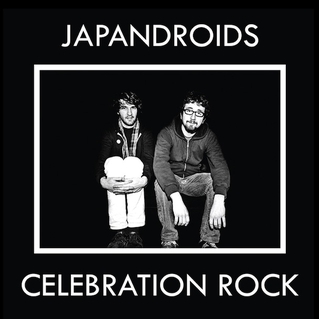
Album titles rarely come as succinctly encapsulating as Celebration Rock (Polyvinyl), the sophomore salvo from Vancouver power-duo Japandroids (who hit a sold-out Johnny Brenda's Friday.) It begins and ends with literal fireworks, but even that feels too pale a gesture to contain the half-hour of non-stop, in-the-red fist-pump that comes between, channeling the youthful abandon of their scrap-heap debut into something far richer and yet more immediate: a surging, shout-along treatise on the electric potential of every single, perfectly ephemeral instant.

Bobby Womack
The Bravest Man In The Universe
[Soul]

A duly bold (or, certainly, unorthodox) comeback project, The Bravest Man in the Universe (XL) finds unsung soul titan Bobby Womack joining forces with Richard Russell (who helmed Gil Scott-Herron's similarly-styled 2010 swansong) and Damon Albarn (who's previously enlisted Womack in his Gorillaz army) to strike a curious, genially eclectic old-meets-new-school alchemy, wherein the 68-year-old pits his grizzled, gospel-steeped pipes in duet with Lana Del Rey and Mali's Fatoumata Diawara (and, er, MacTalk) and paraphrases "Walk On By" and "Higher and Higher" atop greasy, spluttering electronic and hip-hop beats.
Emeli Sandé
Our Version Of Events
[R&B/Pop]

We're clearly due for a new onslaught of UK soul singers right about now, and we could do a lot worse than Emeli Sandé, whose Christian name, in a not-so-subtle twist of serendipity, turns out to be Adele. While it's mostly more subdued than its barnstorming lead single – the euphoric Amen-break fantasia "Heaven" – portended, the ballad-inclined Our Version of Events (Virgin) is a treat nevertheless, recalling the refreshingly unfussy sophistication of Beyoncé's 4: a full-on diva showcase that's blissfully free of overblown diva posturing.

Ladyhawke
Anxiety
[Pop]

Four years on from her debut, Australia's Pip Brown – alias Ladyhawke – has, perhaps keeping up with the slowly-turning times, toned down her blatant '80s worship, instead infusing the spiky new wave of Anxiety (Modular) with a crunch and snarl that owes something to the (recently resurgent) '90s likes of Garbage, Pulp and Elastica, plus a generous side-helping of seedy garage-punk organ. Either way, it's a total thrill-ride of a record; a lean 36 minutes of all-killer pop – even the ballad kinda kicks – that starts strong and never really lets up, even when the lyrics are sort of a downer.

Daydream Vacation
Dare Seize The Fire
[Pop]

Every bit as fun and frivolous as their name suggests, Daydream Vacation is the Sweden-to-Seattle superhero team-up of Asya (from tween-sensation sister act Smoosh) and DIY electro guy David Einmo (aka Head Like A Kite). The self-released Dare Seize the Fire –arriving just in time for summer – gets the former's spunky indie-rock peanut butter all over the latter's twitchy dance chocolate on a set of homemade funk and party pop that blends Mates of State's irrepressible boy-girl bubbliness with The Sounds' grown-and-sexy synth-rock fizz.

Smile/Hortlax Cobra
A Flash In The Night/Night Shift
[Pop/Electronic]

Peter Bjorn and John don't rest too much. It's an off year in their album cycle, so here come the side projects: a double-dose of breezy studio puttering and sunny-day cruising music inaugurating the Swede-pop phenoms' newly-minted label/collective, Ingrid. A Flash in the Dark, by Smile – Björn Yttling plus the Teddybears' Joakim Åhlund – is essentially an instrumental pop record, translating both bands' characteristically cheery melodicism to crunchier, sometimes krauty, frequently synthy terrain. Hortlax Cobra (aka John Eriksson) veers more overtly electro on Night Shift, which spans tracks titled (aptly) for both Berlin and Miami, plus one deliciously chugging, Beatles-quoting quasi-rocker kiss-off.

Cinematic Orchestra
Presents In Motion #1
[Soundtrack/Classical]

Somewhere between conceptual group art project and mixtape-by-commission, The Cinematic Orchestra Presents In Motion #1 (Ninja Tune) was conceived as a suite of alternate scores for short avant-garde films, but it's equally intriguing – and simply gorgeous – in its own, purely auditory right: a collection of seven expansive, genially subdued modern classical compositions (by four different artists) with leanings toward jazz, minimalism, folk and electronica; lush enough to linger in the background but with enough harmonic sophistication and bite to reward closer attention.

Simone White
Silver Silver
[Folk]

Simone White's voice is an airy, delicate thing, and so are her songs, which she renders with an intimate economy that's almost haiku-like, particularly given her eye for natural-world detail. But that doesn't mean they're simple. Silver Silver (Honest Jons), the LA songsmith's fourth offering, is a strange, protean exploration of sound and mood – intermittently reminiscent of Juana Molina, Tunng, and Mirah's work with Phil Elvirum – that finds her embracing electronic textures, collaboration (Andrew Bird; art-pop oddballs Fol Chen), vocal layering, instrumental lushness, ambient drone episodes, and even a spot of ukulele soft-shoe.

200 Years
[Folk]
concert preview

The most remarkable thing about 200 Years – the duo of Elisa Ambrogio and Ben Chasny, who issued their self-titled Drag City debut at the end of last year – is how utterly removed it is from each member's better-known work: Ambrogio as singer/guitarist of the restlessly experimental, hyper-prolific, Sonic Youth-affiliated noise-rockers Magik Markers; Chasny as the esoteric, drone-inclined one-man psychedelic folk outfit Six Organs of Admittance. There's none of that here; just plain, unhurried acoustic strumming and hushed, lulling vocals nearly devoid of discernable affect, plus an occasional blanketing of thin, hazy atmospherics: spare as a bone, but cozy and intimate as a nice warm bed. In other words: perfect sounds for sprawling out to rest in Studio 34's always inviting pillow-scape.

Fiona Apple
[Rock/Singer-Songwriter]
concert preview

The outpouring of excitement accompanying Fiona Apple's return to the active column this year has felt, strikingly among such cases, triggered by genuine love and enthusiasm for the woman herself much more than any actual new music. It's a response remarkable in its pervasiveness, if not its fervency: she's always had an uncommon ability to affect her audience, even when the exact hows and whys can be elusive. Her astonishing SXSW appearances in March revealed a performer at once frail and ferocious, dynamic and austere; far from comfortable in her own skin, but uncompromising in her readiness to share that discomfort. Now that we have the album – her first in seven years, shorthanded The Idler Wheel.... (Epic) – it proves equally contradictory; equally defiant of easy encapsulation. It's easily her most stripped-down (mostly just piano, clutter-drawer percussion and an unvarnished voice which seems capable of nearly anything) and least readily digested (saying a lot), although it does appear to have some reflective, even happy things to say about love.

Michael Kiwanuka
[Soul/Folk]
concert preview

Seems like the kids just keep on getting older. This year's musical toast of Great Britain is the twenty-four-year-old son of Ugandan émigrés whose impeccably natty debut release, Home Again (Cherrytree/Interscope), sinks deep into an untapped vein of highly burnished, vibe-soaked retro, reviving a pungent early-'70s moment of lush, jazz- and folk-infused soul. Kiwanuka boasts a honeyed, rich-beyond-his-years voice that calls to mind Richie Havens fronting a particularly gentle incarnation of Blood Sweat and Tears (with perhaps a touch of Ray Charles in Country & Western mode), and that evokes Bill Withers and Randy Newman in equal measure, though the closest reference point is probably Astral Weeks-era Van Morrison.

Norah Jones
[Pop/Singer-Songwriter]
concert preview

Norah Jones' public image – as an irreproachably classy, terminally unhip cocktail-jazz chanteuse – was cast a full decade ago, when she introduced herself with what became the archetypal dinner-music album (and easily the best-selling debut) of the 21st century. And it's proven resoundingly unshakable since then, despite her not-inconsiderable efforts to liven it up, including racking up an enviable list of collaborators that, for almost anybody else, would have guaranteed uncountable lifetime cool points: Andre 3000, Mike Patton, Ray Charles, Willie Nelson, Gillian Welch, Belle & Sebastian, Herbie Hancock, The Lonely Island – not to mention Wong Kar-Wai. Then again, even her most emphatic shake-up to date – this year's Little Broken Hearts (Blue Note), a highly likable noir-ish indie-pop platter with gentle trip-hop shadings courtesy of that incorrigible style-maven Danger Mouse – remains resolutely palatable, even polite; hardly something to affront her coffeehouse core, though it's hardly pandering either. But hey, what's an authentically nice girl to do?

The Beach Boys
[Pop]
concert preview

It's easy enough to be cynical about the hoopla surrounding the Beach Boys' 50th anniversary resurgence – a massive world tour and a seemingly out-of-nowhere new album to go with it – all the more so since the band's ethos, unlike the reality of their career trajectory, has always been so emphatically antithetical to the very notion of cynicism. (And yes, one of the most glibly innocuous new tunes does include the lines "we're back together/easy money/ain't life funny.") But come on. Brian Wilson performing live with the group (all, in this incarnation, actually legitimate '60s band members) for the first time since 1966 – which would have been unimaginable until very recently – has got to be something worth celebrating. The surprise that the varied, harmony-stuffed That's Why God Made The Radio (Capitol) is way, way better than it has any right to be – honestly, it's delightful – is just gravy. Surf's up, people!

Drake
[Hip-Hop]
concert preview

For Aubrey Graham, hip-hop's unlikeliest (and practically only) megastar, life rolls on: killing everybody in the game, a couple years running now; getting "re-bar mitzvahed" (if – I think – only on camera); and, most currently, undertaking a massive tour that's been virtually nonstop since Valentine's day and arrives here on Saturday complete with a formidable roster of second-tier rappers to round out the bill. As for Take Care, Drake's casually monumental, stature-solidifying second LP, it remains not only compulsively listenable but subtly, viscerally immersive seven months down the line, its leisurely sprawl and sumptuous if unshowy textures framing his improbable knack for relating the trials and triumphs of his decidedly remarkable life with a humdrum, unremarkable emotional affect that somehow makes them scan as immediately, intimately relatable.

Tanlines
[Pop]
concert preview

Tanlines came through a couple months back, around the release of Mixed Emotions (True Panther), the Brooklyn duo's first proper album after several years of singles and EPs – but it's fitting that they're back now to help launch what is unambiguously their season. Indeed, it's hard to think of a more appropriate setting for their brand of resolutely upbeat, equatorial electro-pop than a mid-summer cook-out/pool party at a venue that promises what Dave P's typically breathless publicity copy describes as "Hyper-Tropical-Tiki-Vibes." They may not exactly be the most versatile outfit around (even if the full-length did see them expanding their genre purview somewhat to embrace both dream-pop and post-punk inclinations alongside some dancier fare), but this is their niche, to a tee. Iced, if you please.
 
Keith Fullerton Whitman
[Electronic/Experimental]
concert preview

Of the four recordings Keith Fullerton Whitman has given us so far this year, across a pair of LPs – Generators and Occlusions (both on Editions Mego), each comprising two divergent 20-minute live renditions of its respective title piece – at least three could be charitably described as "patience-testing," consisting in whole or part of fragmentary, erratic (but bizarrely engaging) spatters of sound, seemingly light years away from, say, the transcendently blissful tones of his landmark, decade-old Playthroughs. So yes, the man's got range. The majestically bearded sound-tinkerer, true to his Cantabrigian stomping grounds, takes a decidedly academic approach to his work, with a theoretical emphasis on process and a historically-informed resourcefulness that's most recently led him to assemble an eclectic, era-spanning rig (from reel-to-reel to Max/MSP) for live and improvised electronic music–making.
originally published in Philadelphia City Paper

04 January 2012

review round-up XV: 2011 second half, vol. 3 [soul/r&b, hiphop, world, ambient/xprmntl, etc.]

Mayer Hawthorne: Impressions EP and How Do You Do? reviews

Detroit retro-soul MVP Mayer Hawthorne has been a busy man lately, popping up on tracks by Chi-town rappers Cool Kids, Parisian techno bro SebastiAn and funk legend Dennis Coffey. He's also found time to cut a digital covers EP, Impressions (free at stonesthrow.com) offering his impeccable takes on some predictably awesome soul obscurities plus tunes from such less likely sources as Chromeo, John Brion and Electric Light Orchestra. Still, with album number two on the horizon, Hawthorne better not start resting yet. As he sings here in his best swoon-worthy Isley Brothers croon: he's got work to do.


When your out-of-nowhere debut was a stone-cold modern classic that managed to be both an uncannily convincing recreation of prime 1960s soul and Motown and also perhaps the most distinctive, freshest-sounding soul platter to emerge in ages, what do you do for an encore? No need to reintroduce himself: Mayer Hawthorne's wholly worthy sophomore set keeps things grooving with plenty more of the same – typically tasty, apparently effortless fun (if occasionally under-written) fare like "Hooked," strutting single "The Walk," the irresistibly buoyant "You Called Me" and the Tempts-ish "Stick Around" – while also dipping a big toe into the sultry, string-laden '70s (and plying his best Barry White come-ons) with the plush Philly slow-burn "Get To Know You" and the gaudy, bawdy Snoop duet "Can't Stop." If covering Jon Brion and ELO on this summer's Impressions EP tipped his pure-pop-loving hand, similarly blue-eyed influences come to the fore here with trace levels of the Doobies and Steely Dan (particularly on the Rhodes-aided "Finally Falling" and "A Long Time," a dynamite, heartfelt tribute to his Detroit roots) and an emphasis on tight, bright, crisply poppy arrangements throughout.

Beyoncé: 4 review

A new Beyoncé record is, by definition, an event, but after her last album's sprawling, unwieldy embarrassment of riches (and vaguely contrived stylistic segregation), 4 feels almost casual: a plain dozen unfussy tunes with (mostly) refreshingly minimal, understated productions, custom-devised for Ms. Knowles to sing the bejeezus out of them, which she graciously, gracefully does. That's a tremendous treat in itself – as always, though she's rarely been quite this artlessly affecting; authoritative yet unforced (breezily pyrotechnic, even.) And, shrugging off negligible missteps like "Party"'s pointless Kanye West intrusion, there are comparable musical pleasures all across the tracklist, from "I Miss You"'s warmly brooding slow-mo electro and "Love On Top"'s grin-inducing throwback R&B gush to the euphorically scattershot, Boyz II Men-sampling "Countdown." Even the album's unorthodox bluesiness-in-front, party-in-back sequencing (flip the track order – nipping the overblown "I Was Here" – and you've got a much more conventional, arguably more effective LP, not unlike B'Day with an inverted ballads:bangers ratio) helps it feel an appealingly low-key, off-the-cuff lark. As though B could really just sneak up on us like that.

The Throne: Watch The Throne review [expanded edition]

Nobody's coming to Watch the Throne cold. Whatever opinions you may have about Jay-Z and Kanye West, this album will likely affirm if not reinforce them – unless, say, you somehow believe either to be humbly self-effacing or blandly conventional. Throne is many things: an idiosyncratic showcase for two uniquely complex personas, a gleeful celebration of ostentatious excess (Hov's words: "Black excellence, opulence, decadence..." – also: "new watch alert!"), an overstuffed hodge-podge of bold and occasionally dodgy experiments, and, not least, a literally gilded monument consecrated to Ego. Some things it's not: predictable, pedestrian, a mindless victory lap or a rote cash-grab – nor, for that matter, is it a consummately crafted album for the ages. But it's certainly never boring. Notwithstanding their long and storied history together (which itself provides some fertile lyrical grist), Jay and 'Ye seem like a potential mismatch for a full-length collab; they have equally recognizable but markedly dissimilar flows and, increasingly, musical wheelhouses, and each is utterly confirmed in his own particular strain of solipsism. But – along with their obvious, infectious camaraderie – they turn out to be pretty good influences on one another: Jay sounds generally reinvigorated: good-humored, full of nimble, intricate wit, and uncharacteristically emotionally revealing, and if Kanye's rhymes often remain as clumsy and crass as his personal life choices ("sophisticated ignorance/write my curses in cursive" sums it up well – and in Pig Latin, too, we learn), he drops far fewer boners than usual. The discrepancy is marked on "That's My Bitch" – a clumsy, ersatz "old school joint" whose Amen breaks and P.E. scratches jut against ponderous synths and blue-eyed throwaway hooks (crooned, randomly, by fake Frenchies La Roux et Bon Iver) – wherein Ye patronizingly mocks his latest hook-up for mispronouncing "Basquiat" while Jay ponders white-washed beauty standards (and, amusingly, proposes that Picasso could have painted Beyoncé.) (Oh yes, both parties go to considerable lengths here to demonstrate their familiarity with art as well as haute couture.) On the touching "New Day" (whose dappled synth burbles and woozy, auto-tuned Nina sample are considerably more artful and, arguably, "respectful" than the album's blunt Otis and James flips), both rappers rectify their life's mistakes vicariously through their purported sons; Kanye envisions himself as neurotically overprotective ("I might even make him be Republican/so everybody know he love white people," he ironically/moronically quips), while a particularly big-hearted Jay, apart from indulging his weirdly persistent Judaism fetish, just sounds like the coolest dad ever. Credit both for executing an effective late-album swerve into social consciousness, via the incisive socio-political-cum-musical diptych "Murder to Excellence" and raptly exultant coming-up anthem "Made In America," which shouts out the patriarchs and matriarchs of the civil rights movement, along with the holy family – another notch for rookie of the year Frank Ocean (as is the stark, anti-clerical/pro-polyamory blues "No Church in the Wild." As full of complications and contradictions as My Beautiful Dark Twisted Fantasy – its nearest and easiest reference point – Throne is at least as musically adventurous and wide-ranging, if not always as successful – the convincingly potent, tough-as-nails dubstep curveball "Who Gon Stop Me," for instance (a pretty wholesale Flux Pavilion recasting), is pretty much the polar opposite of "Liftoff"'s stale day-glo puff paint triumphalism. Between the misfires and the winners, through all the smoke and spectacle, our heroes come off perhaps only intermittently regal, but always resoundingly, royally human.

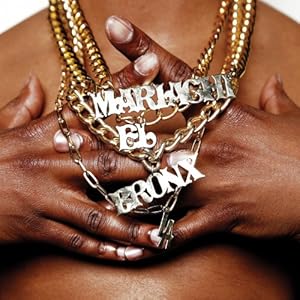
Mariachi El Bronx: [II] review

If there was any doubt that the gringo Angeleno hardcore punks in the Bronx were dead serious about their Mexican folk alter ego -- and for anyone who's spent time with Mariachi El Bronx's 2009 self-titled debut (or caught the twin bands' rollicking, identity-shifting live shows) there certainly was not -- the outfit's second album offers ironclad reassurance that this is no novelty act. Not messing with a good thing, the group takes essentially the same approach this time around -- even the album title's the same -- but the results exhibit a subtle yet significant improvement in almost every respect: both the production and the performances are notably crisper and punchier; the arrangements are richer and more complex, full of swirling, soaring strings; the stylistic range is successfully broadened (to encompass cumbia, norteño, and bolero), and the passion and fire on display are simply undeniable. And the songs, in particular, are uniformly strong and memorable, with highlights including the raucous, tempo-shifting instrumental "Mariachi El Bronx," the fun, flirtatious "Norteño Lights," and especially the tremendous, white-hot single "48 Roses," a philanderer's furiously impassioned plea for dubiously deserved forgiveness ("With four different lovers and 48 roses/I need a confessional that never closes"). The effect of Matt Caughthran's heartfelt but distinctly non-Hispanophone vocals (toned down though still discernibly punk-informed) atop resolutely traditionally styled instrumentation (give or take the not strictly conventional presence of a drum set) recalls the slightly uncanny effectiveness of David Byrne singing with Brazilian musicians on Rei Momo or Paul Simon with South Africans on Graceland (the Pogues' use of traditional Irish music is another, perhaps more apposite comparison) -- a major difference, however, is that Caughthran's lyrical and emotional approach cleaves far closer to the conventions of the genre in question, focusing mainly on affairs of the heart (though he doesn't shy away from more somber philosophical musings on death, poverty, and religion). Purists may, of course, have their qualms, but it would be hard to deny the combination of reverence, proficiency, and sheer exuberance in evidence here -- indeed, it's difficult to imagine any serious limits of this band's appeal. ¡Viva El Bronx!

Buraka Som Sistema: Komba review

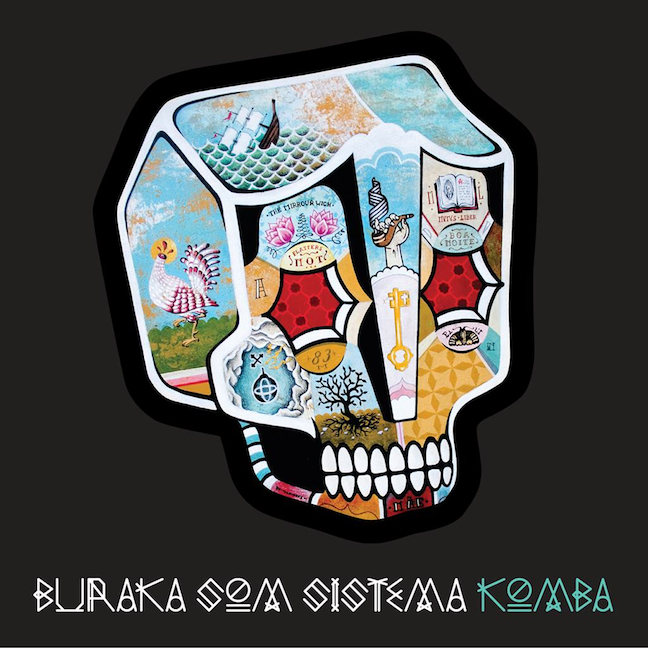
Komba, as a voice-over early in Buraka Som Sistema's so-titled sophomore album helpfully explains, is an Angolan religious tradition that's roughly the equivalent of an Irish wake: a massive party held a week after a death, celebrating the life of the deceased. The accordingly spooky and festive title track, which is primarily sung in English (and, in part, as though from beyond the grave), together with several references to Bantu tribal rituals in the opening "Eskeleto" (Skeleton), sets up the notion that the album will be something of a cultural guided tour. But save, perhaps, for the ominous, drum-driven instrumental "Macumba" (whose title refers to Afro-Brazilian folk religion), there's no other indication here (at least to Anglophones) that Portugal's Kuduro champions have any such edificatory intentions in mind: for all practical purposes, Komba is "conceptual" only in that -- as could only be expected -- it's just one hell of a party. Not tampering too much with the formula that made 2008's Black Diamond such an undeniable, explosive experience, Komba essentially delivers more of the same: fierce, hard-hitting, yet decidedly playful, fully polyglot electronic gutter-funk. The average intensity of these new tracks may have come down a notch (though they're still plenty fiery), and there's an uptick in what might seem like crossover pop concessions (not that there's anything wrong with that) -- incorporating elements from R&B ("Voodoo Love") and blandly populist dance-pop (first single "[We Stay] Up All Night" is something like the African tech-funk version of Kesha), as well as the self-explanatory reggaeton hybrid "Burakaton" -- basically, it's just the group indulging its omnivorous and well-established pan-global pop wanderlust. (See also the nutty "LOL & POP," which combines childlike taunts, Clipse-referencing raps, and shout-outs to past BSS tracks with a frenetic, vaguely surf-punky riff.) There aren't quite as many standout tracks this time around, but there are no real low points to speak of (although the dopey ghetto-tech vocal sampling of the incessantly blip-happy "Hypnotized" comes close), and there's plenty to enjoy, especially from a beat programming standpoint -- or, even more especially, from the center of a crowded, sweat-soaked dancefloor. Not at all a bad way to go.

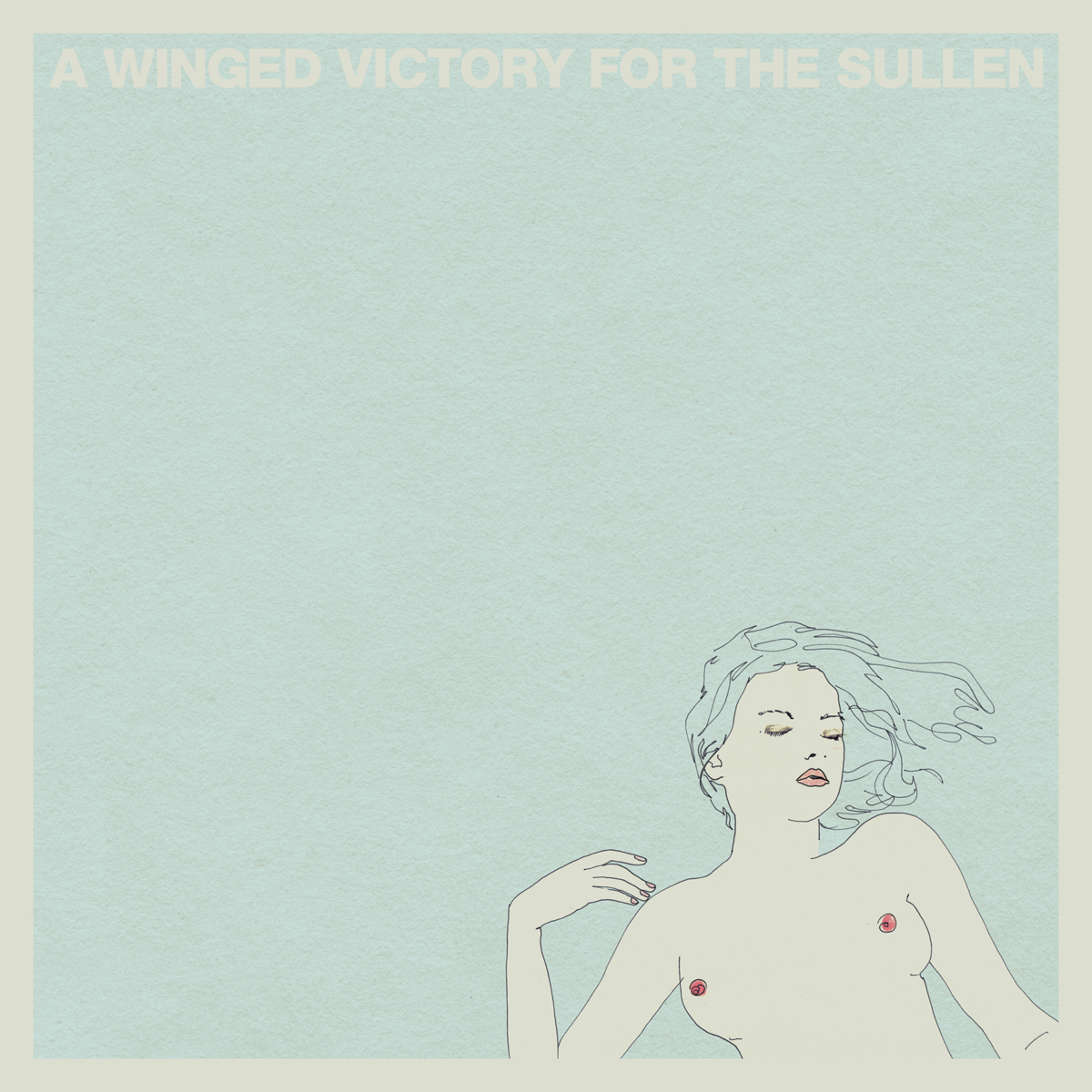
A Winged Victory for the Sullen: A Winged Victory For The Sullen review

By comparison with your typical Stars of the Lid output – like 2007's epochal And Their Refinement of the Decline, whose languorously protracted tones and drones might still not have finished reverberating four years after its release – this new collaboration pairing Adam Wiltzie (half of that Texan duo) with "post-classical" composer/pianist Dustin O'Halloran offers something a little more lively. By any other measure, though, A Winged Victory For The Sullen could hardly be more utterly, ineffably tranquil. Building from Refinement's graceful, majestic swells of sound, and expanding on that album's orchestral inclinations with an even broader symphonic palette – encompassing strings, organ, harp, and O'Halloran's sturdy, meditative piano – articulating a carefully selected compass of harmonic and melodic information, these seven pieces feel at once structurally minimal – almost formless, albeit deliberately controlled – and sonically maximal. Where much ambient drone, and Stars' in particular, seems to take form from residue and a near-spectral suggestion of absence, Wiltzie and O'Halloran's richly sonorous clusters rise toward an emotive power that can only stem from engaged, emphatic presence.

Oneohtrix Point Never: Replica review

Replica, retro-synth drone maven Daniel Lopatin's return as Oneohtrix Point Never following his critically adored, profile-rocketing 2010 album Returnal (and his equally estimable work with Ford & Lopatin), offers repeat customers both familiarity and surprise in roughly equal measure. In the former column, Lopatin still grounds his creations in conspicuously beautiful, buzzing, humming, and twinkling Kosmiche synthscapes; once again, everything feels draped in a syrupy, soft-focus analog glaze. But only one track, the aptly titled "Submersible," sustains itself on warmly drifting, rhythmically unfettered synthetic sound washes alone. Elsewhere, gentle waves of gauziness give way, more or less gradually, to more dynamic elements: on "Remember," an intertwined pair of looped vocal snippets (one speaking the track's title, the other a muffled, mutilated moan) slowly emerges from the amniotic haze; dappled pace-setter "Andro"'s undercurrent of murmuring, garbled sound scraps flips in the final 30 seconds into a stuttered, ritualistic outburst of hand percussion and jungle screeches. By and large, though, rhythm is not merely appended to but fully foregrounded in these compositions, in a way that's essentially new for Oneohtrix -- rarely in the conventional guise of drum tracks and "beats" (though there is a stark, rudimentary one anchoring the first two minutes of "Up," which might be approximately danceable if it weren't in 7/8), but often in the form of sampled loops, creating a definite rhythmic structure without (in most cases) the use of "percussion" per se, a much calmer variation of the micro-sampling methods of Akufen and Matthew Herbert. "Power of Persuasion" introduces this approach with a shifting series of classical-sounding (acoustic) piano figures stuck on short-circuit repeat, to placid, gently numbing effect, while the rather less somnolent "Sleep Dealer" lassoes in a wider array of thuds, groans, and whirrs along with a perky keyboard fillip, indecipherable spoken bits, and a satisfied-sounding exhalation to form a pleasantly cheery little jaunt, and the gently erratic "Nassau" adds some rustling, shuffling footsteps that sound a bit like soft-shoe tap dancing. Even the lovely, lulling title track, which combines static buzzes and fluid, meandering melodic tones with no regular rhythmic matrix to speak of, creates a sense of gentle groove and motion in its soft, patient new age piano chords. Apart from his usual battery of analog keyboards (and a considerable amount of actual acoustic piano), Lopatin apparently culled much of the sound for this album from a DVD compilation of TV commercials dating from 1985 to 1993. Though it makes for an intriguing compositional back-story -- and it clearly provided him a rich sound palette from which to draw -- it's rare that that source material is specifically evident while listening; at best it functions on a more energetic, subconscious level, making the typically nebulous sonic nostalgia of the chillwave/hypnagogic pop movement -- with which these productions bear some strong commonalities -- more literally (if still somewhat imperceptibly) manifest.

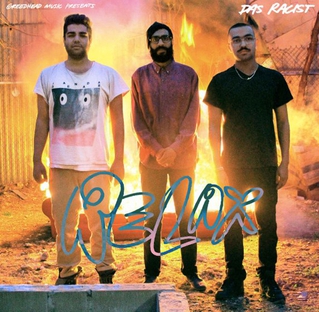
Das Racist: Relax review

Having turned heads internet-wide (and beyond) in 2009 with "Combination Pizza Hut and Taco Bell," their unlikely but undeniable, out of nowhere breakthrough hit/joke/meme, and having established their no-joke chops -- validating that seeming one-off as no fluke even while revealing its unmitigated goofiness as something of a red herring -- with a pair of improbably solid, seriously skilled (but still impishly playful) 2010 free-download mixtapes, the smarty-pants Brooklyn rap squad Das Racist arrive at their first legit, purchasable album with goodwill (and talent, and charisma) to burn, and little to prove except their ability to keep a very good, emphatically original thing going. Relax -- the title's a logical extension of the mixtapes' enjoinders to "Sit Down and Shut Up," though an odd handle for such a manically wired, hyper-functioning affair -- makes that much readily clear, delivering in spades the blend of dense, reference-strewn, culture-jamming jokey (not jokey) rhymes, absurdist non-sequiturs ("I'm DJ Khaled/I'm a daikon radish"), cannily irreverent racial critique, eggheaded egg-tossing ("Rapgenius.com is white devil sophistry"), fake patois, and gleeful gibberish that made their name. If there's a discernible new development here, it may be an increased sense of toughness, both musically and lyrically. At least intermittently, Relax seems geared toward beefing up Das Racist's hip-hop bona fides; i.e., basically, their sincerity; no mean feat for such unrepentant trickster-hipster satirists. So we get rampant (largely unconvincing) drug hustling references; the basically self-explanatory (evidently unironic) "club banger" "Booty in the Air," and, on the pace-setting title track, a rare moment of personal introspection -- Heems rapping about his immigrant parents in 1980s Queens ("from holding me to bagging groceries at the Pathmark") -- juxtaposed with the uncharacteristically straight-faced boast "these days I mostly focus on my bank account/I ain't backing out til I own a bank to brag about." Indie rap-wise, it doesn't get much tougher or more soberly serious than El-P, who both produces and guests on "Shut Up, Man" with characteristic chilly digi-funk steeliness, Das Racist following suit impeccably (but with poop jokes.) On the other hand, there's the bubbly synth pop of "Girl," a clear, tongue in cheek, pop-rap piss-take; the lite electro-bhangra fusion "Punjabi Song," and the frothy, fun-loving "The Trick" (produced by Vampire Weekend's Rostam Batmanglij, with a heavy nod to Tom Tom Club). Their range is impressive, for sure, but nobody's gonna mistake these guys for remotely conventional rappers -- nor, presumably, would they want that. One quibble: while "Combination Pizza Hut" is referenced twice (once in "Rainbow in the Dark," the well-selected lone mixtape holdover; once -- in ludicrously crude fashion -- in Danny Brown's delightfully loopy "Power" guest verse), there's nothing here approaching the catchiness of that song's indelible hook. Granted, they're not fishing for another viral earworm here, but you'd think they could come up with something better -- for the lead single, no less -- than "Michael Jackson"'s feeble placeholder of a refrain.

DRC Music: Kinshasa One Two review

At the dawn of the 2000s, Damon Albarn traveled to Mali and made some recordings with a handful of local musicians, later shaped into Mali Music, a curious, casual, satisfyingly undefined collaborative foray that marked the starting point of his continued public fascination with the music of Africa. Ten years later -- following a decade that found the incessantly networking Albarn joining forces with many more African musicians through his myriad musical guises (Gorillaz, Blur, the Good, the Bad & the Queen), not to mention releasing the work of several others via his Honest Jon's label -- he returned to the continent for a similar project with a considerably grander scope, descending on metropolis of Kinshasa, in the Democratic Republic of the Congo, with a veritable army of British and American producers (ten of them, including Actress, Dan the Automator, Jneiro Jarel, and XL Recordings head Richard Russell) to interface with a much larger number of Congolese players and vocalists. What's more, the whole recording process lasted a mere five days. The resulting album (which, like Mali Music, was released as a benefit for Oxfam charities) is as sprawling, messy, and multifarious as you would imagine, a bustling, urban contrast to the sleepy, subdued village feel that prevailed on Mali Music. The difference can be ascribed to the energy of both the Kinshasan musicians and the cutting-edge electronic and hip-hop-oriented Western producers involved, as well as the frenzied, on-the-fly, street-level spirit of the recording experience itself. Strands of funk, house, hip-hop, dub, and techno intertwine freely and loosely with dense, polyrhythmic percussion grooves played on all manner of hand drums, bells, whistles, and scavenged scrap metal instruments (often performed by Bokatola System, who turn up four times) as well as sparser textures featuring thrumming likembes and twangy guitars, and a dizzying array of vocalists who sing, speak, rap, toast, and chant atop it all. (Arguably the most striking track here, a minute-long singsong entitled "Love" and performed by a lightning-tongued rapper/singer of the same name, is entirely a cappella.) Although little if anything here fits neatly into any specific Western genre (the Gorillaz-ish, gently poppy trip-hop of opener "Hallo" -- the only track to feature Albarn's vocals, and coincidentally the dullest thing here -- comes closest), this is definitely much more of a thorough cultural fusion than any sort of reverent "field recording" project -- both Western and African elements are readily audible on every cut, with a somewhat varying but generally quite equal balance of prominence. But that doesn't necessarily mean it's any less respectful of the local musicians and their contributions, nor any less of a resonant depiction of a globalized but nevertheless specific cultural environment. In the increasingly prevalent spirit of similar trans-cultural musical interminglings in recent years, what we get never feels carefully curated, explicated, or tamed but rather refreshingly, bewilderingly alive -- an explosive flurry of rhythms, sounds, and voices.

Fool's Gold: Leave No Trace review

By the time of their second album, L.A.'s Fool's Gold solidified their lineup from an expansive and somewhat amorphous eight-to-twelve-person collective into a condensed five-member band. Correspondingly, perhaps, Leave No Trace largely reins in the freely flowing pan-global jams of the group's debut in favor of a more tightly structured set of songs, a change that turns out to somewhat diminish their music's singularity, if not its fundamental charm. It's not that the defining African and Middle Eastern strains which predominated throughout Fool's Gold -- the layered polyrhythms and, in particular, the gleaming, liquid Afro-pop guitar lines -- are wholly absent here; indeed, they're all right there in opening cut "The Dive," which also gestures toward Brazilian samba in its percussion (and whose central guitar riff is a kissing cousin to first album stand-out "Surprise Hotel.") But the international influences are noticeably toned down and made to share space with more familiar, pedestrian Western rock and pop elements, bringing the group's sound closer to the more generically "tropical-inflected" indie rock of artists like Foreign Born (two of whose members overlap with Fool's Gold) and Vampire Weekend. The band also experiment with adding some squelchy synthesizers and electronic textures, most prominently on "Street Clothes," which veers unexpectedly into full-on '80s art-funk territory, complete with sproingy drum triggers, clavinet, and a chaotically skronking sax. Further diluting the group's multi-cultural spirit, singer Luke Top largely forgoes his native Hebrew this time out to sing in English (save on the bilingual "Tel Aviv.") All of this is fine as far as it goes: the global stew may be watered down, but it hasn't entirely lost its flavor. Leave No Trace still sounds great; the playing is marvelously light and breezy, and these tunes are still enjoyably summery, simmering, and infectiously danceable (if not, on the whole, terribly memorable.) Still, it's hard not to wish Fool's Gold had figured out how to develop and expand their approach without compromising so much of what made their debut so delightfully unique.

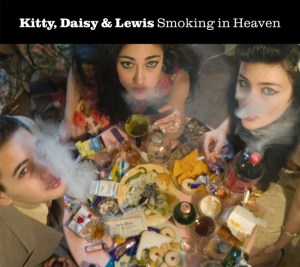
Kitty Daisy & Lewis: Smoking In Heaven review

There's a lot to love about Kitty, Daisy & Lewis Durham, a trio of British youngsters (aged 18, 22, and 20, respectively, at the time of this recording) whose enthusiasm for the American roots music of the 1950s is undeniably sincere, impressively zealous, and absolutely infectious. It's easy to imagine a project like theirs smacking unbearably of gimmicky novelty, especially given the ambitious measures the Durham siblings undertake in the interest of authenticity -- including amassing enough vintage recording gear to build a complete home setup modeled after the Sun Records studio -- but these kids make it all feel breezily natural, and for them it really is: after all, they were raised on this stuff by their hipster music industry parents (mastering engineer Graeme Durham and Raincoats drummer Ingrid Weiss, who also sit in with the band on occasion.) While Smoking in Heaven, the group's second proper full-length, doesn't tamper with the charmingly loose, deliberately homespun energy of their 2009 debut, it does find them branching out in several ways: exploring bluebeat ska ("Tomorrow," "So Sorry") and coarse, strutting funk ("Don't Make a Fool out of Me") in addition to plenty of their usual jump-blues, R&B, and swingin' rockabilly (no Hawaiian jaunts this time, though); trying out some more ambitious (if not always wholly convincing) musicianship -- check the rough but still rollicking boogie-woogie piano solo that kicks off the instrumental "Paan Man Boogie" -- and, notably, penning all their own material for the first time. The writing is nothing earth-shattering; in fact, it's rudimentary and formulaic almost without exception, although they still come up with a couple of winners ("I'm Coming Home"), and lots of tunes that would easily pass for understandably forgotten oldies (not among them is "Messing with My Life," whose trebly, cod-funk guitar and atypically contemporary-sounding vocal stylings make it sound incongruously like an especially amateurish cover of a faceless, 2010s Top 40 R&B hit.) But as with their playing and singing (Lewis sometimes calls to mind a young, inelegant Eric Burdon -- an apt reminder of how much these guys have in common with Ameriphile '60s beat groups like the Animals and the Yardbirds), the sisters have a tendency to sound a bit congested, but their charm and passion take them a long way. That charm can run pretty thin, though, when it comes to extended "jams" like the seven-and-a-half-minute "What Quid," and harmonica-riddled, nine-minute title-track, neither of which offer nearly enough variation or interest to justify their length.

Goldmund: All Will Prosper review

None of the music Keith Kenniff makes under any of his guises -- as Helios, or as half of the duo Mint Julep -- is really the least bit difficult or demanding, but the solo piano-oriented Goldmund is probably the most anodyne of all of his projects, and this fifth release under that name may well be his most pleasantly unchallenging yet -- unless you're the sort of person who's easily riled up by hearing the melody of "Dixie." All Will Prosper is a collection of 14 Civil War-era folk songs (plus one more recently composed dead ringer, "Ashoken Farewell") rendered in sparse, minimalist arrangements featuring only delicate, close-miked acoustic guitar and reverberant upper-register piano. There's the occasional hint of simple, organic ambient techniques (such as one of these instruments being used in an atmospheric, drone-like or gently percussive fashion) but the focus is squarely, unabashedly on presenting these almost innately familiar melodies as simply and as beautifully as possible. And if anything can be said to be truly remarkable about this recording, it is precisely that sense of focus, with every detail of the sound carefully deployed and calibrated to maintain a sense of pure, unruffled calm. Kenniff is a past master of prettiness, and he certainly hasn't lost his touch here. At the same time, there's a thin line between tranquil aesthetic purity and emotionally empty sterility, and while this music makes a fine blank canvas for whatever you want to project onto it, it's ultimately pretty faceless stuff. For all the emotional potential of this source material, Kenniff does little to make it resonate more than literally; he certainly doesn't present the era in any sort of new, freshly relevant way (like, for instance Titus Andronicus on their similarly artworked The Monitor), but neither is there much palpable sense of nostalgia, except perhaps on the mournfully slow, somber closing rendition of "When Johnny Comes Marching Home." Something about these simple old-fashioned melodies and the gently chiming quality of the sound makes this feel vaguely like a generic collection of instrumental Christmas carols (or perhaps it's that "All Quiet on the Potomac" bears a passing melodic similarity to "Greensleeves"). More to the point, it sounds like a souvenir CD you might pick up at the gift shop of a historic battlefield site. Actually, Kenniff should look into that -- it might be a great marketing opportunity.

Philadelphia City Paper reviews:
Active Child: You Are All I See review

The word "ethereal" gets thrown around a lot in reference to voices that are merely high, but Active Child's Pat Grossi, on his spiritually ecstatic debut LP You Are All I See (Vagrant), unleashes a falsetto that's veritably angelic (an attribute enhanced by the album's copious, gossamer harp cascades) and also lavishly, deliriously dense enough to spread like velvety putty across these synthetic cathedrals of gleaming, electrified new age crunk.


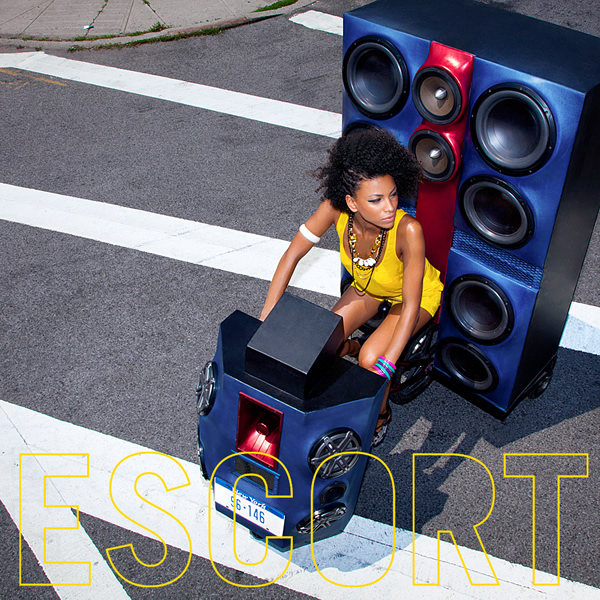
Escort: Escort review

There's been no shortage of disco revivalists recently, but few latter-day practitioners have managed to recognize and replicate the joyous, sexy, soulful spirit – and the magnificently playful excesses – of the music's 1970s origins quite like Escort. The seventeen-piece New York orchestra took their sweet time perfecting their eponymous debut LP – they started dropping singles (all included here, most in tight new re-recordings) way back in 2006 – but there's no denying that the fifty solid-gold groove-strutting, synth-twinkling, string-swirling minutes making up Escort (Escort) were worth every second of the wait.

The Caretaker: An Empty Bliss Beyond This World review

Fascinating, elegantly evocative and rather delightfully eerie, An Empty Bliss Beyond This World by The Caretaker (British sound-collage artist James Kirby) is a sort of allegorical aural portrait, an attempt to emulate the experience of Alzheimer's disease via deconstructions of crackly old prewar shellacs: syrupy ballroom jazz, languid piano waltzes, weepy orchestral serenades, cloaked in reverb and static and manipulated into gently drifting loops and fragments to create a pleasantly bewildering, hypnotic jumble of disorientation and free-floating nostalgia.

Mark McGuire: Get Lost review

Even more than the spacey, synthy drones of his well-loved band, Emeralds, the music that Ohioan guitarist/tone-sculptor Mark McGuire makes on his lonesome is ideally suited to soundtrack any variety of bliss, be it heady or wistful, wide-eyed or pleasantly drowsy. Get Lost (Editions Mego), his latest in a continuous stream of releases, offers five fairly brief, breezily fluid, warmly melodic and layered acoustic/electric pop-ambient excursions, plus the perfectly-titled "Firefly Constellations" – twenty minutes of flittering, saturated sound-shards and patient, placid strums.

Glenn Jones: The Wanting review

Boston's Glenn Jones – a collaborator and pal of our own dearly departed Jack Rose, who plays in a similarly dense, deft, folk-derived finger-picking style (so-called "American primitive," though it's really anything but) – is an immensely skilled guitarist, something that's evident from any given few seconds of The Wanting, his Thrill Jockey debut. But it's his spirit, grace, and subtle, sure compositional style, not mere technical wizardry, that makes these eleven songs without words such an uncommonly warm, welcoming and immersive listening experience.

Drake: Take Care review

Eighty minutes of anybody ego tripping out (maybe emo tripping would be a more apt description) is a lot to take, but Drake, ever the mopey charmer, makes it a typically nuanced and pleasurable ride on Take Care (Universal Republic), not that it'll convince the haters. Subtler and smoother but also more monochromatic than his debut, it's an icier listen but a bolder aesthetic statement; all free-floating nocturnal, money-drunk, earnestly world-weary malaise.


Van Dyke Parks: Arrangements, Vol. 1 review

Van Dyke Parks' Arrangements, Vol. 1 (Bananastan), a hand-picked collection of little-heard '60s and '70s chestnuts, is a fittingly spectacular showcase for a legend who's worked with everyone from Brian Wilson to U2 to Joanna Newsom to, apparently, Skrillex – but it's also just a totally cracking mixtape: consistently entertaining, delightfully eclectic – a truly pan-American patchwork of styles – and full of surprises (psychedelic country-gospel from Arlo Guthrie, off-color calypso from Bonnie Raitt, stone-cold funk from Little Feat), all with Parks' playful, colorful, jauntily baroque orchestrations.

Gem Club: Breakers review

Emanating wintry calm and sober, classically restrained elegance; using a palette that feels even more spare and restricted than it actually is – glacially patient, cavernously reverberant piano; spartan, poignant cello; judiciously sparing percussion, and achingly delicate, boyishly whispered vocals, often harmonized and layered to exquisite effect – Somerville, MA's Gem Club have birthed a starkly simple but deeply affecting debut LP in Breakers (Hardly Art), one which bears an almost uncanny likeness to Sufjan Stevens at his softest and most heartbreakingly sincere.


Little Dragon: Ritual Union review

"Ritual Union," the sparky title tune of Little Dragon's third full-length (Peacefrog), is a meditation on matrimony, but the phrase could also describe the seamless, deep-vibing pocket the Swedish foursome inhabit so magnetically whenever they take the stage. Recordings still aren't a patch on that uncanny live allure, but this may be their most satisfying yet, progressing beyond effortlessly moody grooves toward brighter, snappier territory without losing their jazzy machine-soul elasticity or Yukimi Nagano's endlessly enrapturing, enigmatic coo.

El Rego: El Rego review

When not occupied with latter-day simulacra (Sharon Jones, The Budos Band), the soul and Afrobeat specialists at Daptone records work an occasional sideline in unearthed vintage goodies such as El Rego, an impressively wide-ranging collection of 60s and 70s sides from the eponymous Beninese funkateer. Besides the usual rampant James Brown-isms and limber, percolating grooves, we get smoky sub-Saharan blues, vague Arabic inflections, plenty of melody, and some intriguingly soulful accordion work.


Yelawolf: Radioactive review

It's no surprise that celeb cameos, splashy Euro-crunk productions, and blandly inspirational rent-a-diva choruses don't suit scrappy skate-rat rapper Yelawolf's Southern trailer-park gutter talk and neck-snapping double-time flow nearly as well as the sparse, steely, deliciously sinister beats peppering his galvanizing mixtape work. The intermittent moments of the sprawling, overstuffed Radioactive (Shady/Interscope) which allow the Alabaman's "ugly boy swag" to shine through tantalizingly confirm that he remains one of hip-hop's most charismatic and technically compelling new voices; if only this was the proper showcase that voice deserves.